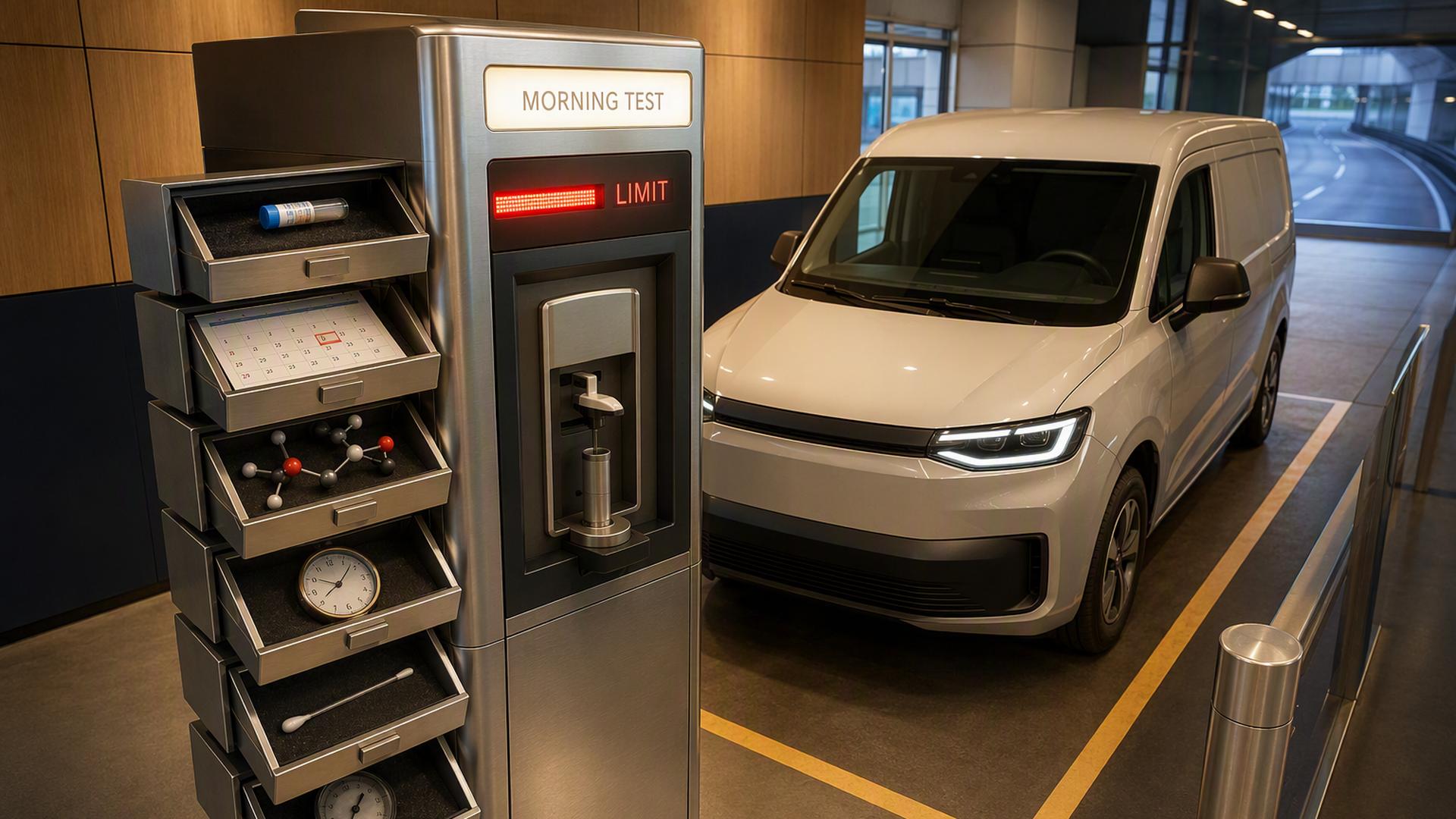
6 Reasons Cannabis Can Trip Up a Morning Drug Driving Test
Published by Drug Driving Solicitors, specialist UK solicitors defending drivers facing drug driving charges.
The morning after using cannabis can feel reassuringly normal. The noticeable high may have disappeared, you may have slept well, and your concentration may seem completely restored. Yet those observations cannot tell you precisely how much delta-9-tetrahydrocannabinol, or THC, remains in your bloodstream.
In England and Wales, Section 5A of the Road Traffic Act 1988 makes it an offence to drive, attempt to drive, or be in charge of a motor vehicle with a specified controlled drug above its prescribed limit. For THC, that limit is 2 micrograms per litre of blood. The government categorises cannabis under its "zero tolerance approach" to certain drugs associated with illegal use, although the statutory limit is deliberately set above literal zero to reduce the possibility of accidental exposure resulting in an offence.
1. Edibles Can Move the THC Timeline Much Later
Different Consumption Methods Produce Different Patterns
Smoking or vaping cannabis allows THC to enter the bloodstream through the lungs, so concentrations can rise very quickly. Edibles behave differently because THC must first pass through the digestive system and undergo metabolism before its effects fully develop.
Research into oral cannabis has found that absorption is highly variable and peak concentrations generally occur later than with inhaled cannabis. The particular formulation also matters, with products such as baked goods, oils, capsules and other oral preparations showing different pharmacokinetic patterns.
Late-Night Consumption Can Complicate the Morning After
Controlled research involving oral cannabis has found that noticeable effects may take 30 to 60 minutes to appear and can peak roughly 1.5 to 3 hours after consumption. Another study found whole-blood THC detection windows extending for as long as 22 hours in some participants following oral cannabis.
That does not mean everybody who eats an edible will remain above the driving limit the following morning. It does mean that counting a fixed number of hours from the moment a gummy, brownie, capsule or oil was consumed can be misleading. The route, dose, formulation and individual response all influence the resulting timeline.
2. Regular Cannabis Use Can Lengthen the Detection Window
Frequent Users Can Retain Residual THC
How often cannabis is used can substantially change the way THC appears in blood over time. Someone who consumes cannabis occasionally may produce a very different blood result from a long-term daily user, even when both stopped consuming cannabis at approximately the same time.
Research involving frequent, long-term cannabis users has demonstrated measurable THC during carefully monitored abstinence. In one study, six participants still had detectable whole-blood THC after six full days without further cannabis use. Importantly, detectability is not automatically the same thing as being above the UK driving limit.
Repeated Use Changes the Starting Point
THC and related cannabinoids can accumulate within fatty tissues after repeated exposure. This means that for a frequent user, the concentration measured after one particular evening may be influenced by a longer pattern of cannabis consumption rather than that evening alone.
Studies of chronic users have even observed fluctuations in measured THC during abstinence rather than a perfectly smooth decline. This is one reason that a clearance timetable based on the experience of an occasional cannabis user cannot safely be assumed to apply to somebody who consumes cannabis much more regularly.
3. Feeling Sober Does Not Reveal Your Blood THC Level
Subjective Sobriety and Blood Concentration Are Different Things
Most people naturally judge cannabis by how they feel. Once altered perception, relaxation, drowsiness or the sensation of being "high" disappears, it may seem reasonable to conclude that cannabis is no longer relevant to driving.
That conclusion is unreliable because subjective effects are not a measurement of blood THC. Scientific reviews have found that the relationship between blood THC concentration and driving performance is complex, with many studies finding no straightforward linear relationship between the concentration measured and particular measures of driving performance.
Section 5A Does Not Depend on Obvious Impairment
This distinction matters legally. Section 5A is a specified-limit offence, meaning the prosecution does not have to prove that someone was weaving across the road, reacting unusually slowly or otherwise demonstrating obvious impairment simply to establish the specified-limit allegation.
Government guidance expressly explains that it can be illegal to drive with specified levels of certain drugs in the blood even when those drugs have not affected the person's driving. Feeling normal the next morning therefore cannot establish whether the THC concentration in a blood specimen would fall above or below the statutory limit.
4. THC Does Not Clear From the Body Like Alcohol
THC Is Highly Fat-Soluble
One reason cannabis can be difficult to compare with alcohol is the way THC behaves within the body. THC is highly lipophilic, meaning it readily distributes into fatty tissues rather than remaining confined to the bloodstream.
With repeated cannabis exposure, cannabinoids can accumulate in these tissues and subsequently redistribute. Research into chronic users has documented measurable THC after prolonged abstinence, illustrating why cannabis elimination cannot be treated as a simple, predictable countdown from the last joint, vape or edible.
Alcohol-Style Countdown Rules Do Not Transfer Well
People are familiar with rough drink-driving calculations based on alcohol units and time. Applying the same reasoning to cannabis is problematic because THC concentrations can fall rapidly after inhalation while residual concentrations and metabolites may behave very differently thereafter.
The UK government specifically says it cannot provide guidance translating a particular drug dose into whether somebody will exceed a specified limit. Among the reasons given are differences in physical characteristics, metabolism and the effects of eating or drinking on blood concentration.
5. Your Individual Physiology Changes the Timeline
Cannabis Clearance Varies Between People
Two people can consume a similar cannabis product at roughly the same time and still produce different blood concentrations several hours later. Drug absorption, distribution and elimination depend on numerous physiological and behavioural factors rather than a single universal timetable.
Body composition, metabolic differences, frequency of cannabis use, dose, food intake and route of administration can all contribute to variation. Government guidance recognises this uncertainty and states that individuals metabolise drugs at different rates, which is one reason official guidance cannot translate a particular amount consumed into a reliable prediction of the resulting blood concentration.
Hydration Is Not a Reliable Shortcut
Drinking water, eating breakfast, exercising, showering or sleeping may make someone feel fresher the following morning, but none provides a dependable way of establishing that their blood THC concentration has fallen below the legal threshold.
Hydration is particularly easy to misunderstand. Maintaining normal hydration is sensible for general wellbeing, but water cannot provide a predictable method for accelerating THC elimination to a particular legal concentration. The important point is that there is no practical home calculation that can substitute for measuring the concentration in blood.
6. The Cannabis Limit Is Not a Threshold for Heavy Intoxication
The Statutory Limit Is Deliberately Low
It is easy to assume that the legal cannabis limit marks the concentration at which somebody becomes seriously impaired. That is not how the England and Wales legislation was designed.
THC has a prescribed blood limit of 2 micrograms per litre. Cannabis sits within the government's category of drugs associated with illegal use for which it adopted what it calls a "zero tolerance approach". The threshold is not literally zero because it was set high enough to reduce the risk that accidental exposure alone could result in prosecution.
Being Over the Limit and Feeling Heavily Impaired Are Not the Same Test
The practical consequence is that somebody does not need to feel extremely intoxicated before the specified-limit law becomes relevant. Whether the individual considers themselves sober and whether a laboratory result exceeds the prescribed THC concentration are separate questions.
This is also why comparisons with a personal sense of driving ability can be dangerous. Section 5A focuses on whether the specified drug concentration is over the applicable statutory limit. There are separate offences addressing driving while unfit through drugs, where impairment plays a different legal role.
Why the Morning After Still Requires Caution
Cannabis does not provide drivers with a reliable personal countdown clock. Consumption method, frequency of use, individual physiology and THC's unusual distribution within the body can all affect what remains in the bloodstream, while feeling completely sober does not reveal a laboratory concentration. For anyone deciding whether to drive after cannabis use, assumptions based purely on sleep, elapsed time or the disappearance of noticeable effects can therefore create significant legal risk.
Frequently Asked Questions
Does a Positive Roadside Swab Mean I Will Automatically Be Charged?
No. A roadside saliva test is a preliminary screening tool rather than the evidential laboratory measurement that establishes the statutory blood concentration. A positive screening result can provide grounds for further procedures, including obtaining an evidential blood specimen, which can then be analysed to determine whether the relevant drug exceeds its prescribed limit.
A positive roadside result therefore does not itself amount to a conviction. The evidential procedure, laboratory result and surrounding circumstances still matter. Where someone faces an allegation, specialist advice can help identify whether issues concerning the specimen, analysis, procedure or other evidence require closer examination.
Is There a Safe Number of Hours to Wait Before Driving After Using Cannabis?
There is no official universal number of hours that guarantees somebody will be below the cannabis driving limit. Clearance varies according to frequency of use, dose, route of administration, individual physiology and other factors.
This makes cannabis different from situations where drivers may rely on rough alcohol-processing estimates. The government itself states that it cannot provide guidance linking a particular amount of a drug with whether someone will exceed the statutory threshold because there are too many variables. A laboratory blood analysis is the method used to establish the actual concentration for a Section 5A case.
What Should I Do if I Am Charged With Drug Driving After Using Cannabis the Night Before?
Seek specialist legal advice promptly. Details that may initially appear minor, including when cannabis was consumed, how it was taken, whether there was more than one occasion of use and how the evidential specimen was obtained, can become important when the evidence is reviewed.
A solicitor experienced in drug-driving cases can examine the prosecution evidence, laboratory analysis and police procedure rather than assuming that a charge necessarily tells the entire story.
Can I Be Charged Even if I Was Not Driving Badly?
Potentially, yes. Section 5A is a specified-limit offence, so proof of erratic, careless or dangerous driving is not itself required for the prosecution to allege that the prescribed drug concentration was exceeded. Government guidance confirms that it can be illegal to drive with specified concentrations of certain drugs even where the drug has not affected the person's driving.
However, a roadside drug test is not available merely because the police have carried out any lawful traffic stop. The Road Traffic Act provides statutory circumstances in which preliminary drug testing may be required, including where an officer reasonably suspects that a person has a drug in their body, reasonably suspects a relevant traffic offence, or the person has been involved in an accident. The precise circumstances of the stop and testing can therefore matter.
Does It Matter if the Cannabis Was Used Medically or Obtained Legally Abroad?
Simply obtaining or consuming recreational cannabis legally in another country does not create an exemption from UK drug-driving law when driving here. The relevant driving law applies according to the circumstances at the time of driving, rather than whether recreational consumption happened to be lawful somewhere else.
A statutory medical defence can potentially apply where a specified controlled drug was lawfully prescribed, supplied or purchased for medical or dental purposes and was taken in accordance with appropriate directions. It is not a blanket defence to impaired driving, and whether its conditions are met depends on the individual facts. Government guidance specifically recognises that THC can arise from medication potentially falling within the medical-defence provisions.
How Long Can Cannabis Remain Detectable in Blood?
There is no single detection period that applies to everybody. After isolated use, THC may decline substantially within hours, while consumption method and dose can change the pattern. Controlled research involving oral cannabis, for example, found whole-blood THC detectable for up to 22 hours in some participants.
Regular use can produce a considerably longer detection window. Research involving chronic cannabis users has found measurable THC after several days of monitored abstinence. Detectable THC does not automatically mean that a person remains above the statutory 2 micrograms-per-litre driving limit, but these findings demonstrate why a simple universal clearance time cannot be given.
Drug Driving Solicitors focus on defending motorists facing drug-driving allegations throughout the UK. If you have been charged following a cannabis test above the applicable limit, contact Drug Driving Solicitors for a free and confidential initial consultation.